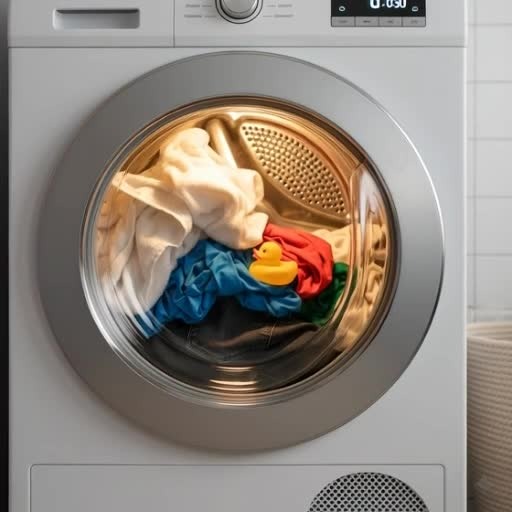
Running two or three cycles to dry a single load isn't just annoying — it's expensive and potentially dangerous. Long dry times are the most common dryer complaint we see across Boston, Cambridge, and Somerville. Here are the six most likely causes, starting with the most serious.
1. Blocked or Kinked Exhaust Vent (Fire Risk)
Lint builds up in the exhaust duct over time, restricting hot moist air from escaping. The dryer then takes multiple cycles to do what one cycle should. Disconnect the vent hose and check for blockage at both the wall opening and the exterior vent cap. Flexible foil ducts crush easily behind the machine — check for kinks. Rigid metal ducting is safer and should be used whenever possible.
2. Full or Damaged Lint Trap
A clogged lint screen reduces airflow through the drum immediately. Clean it before every load. If the screen is torn or warped, replace it — a $10 part can restore full performance.
3. Heating Element Failure (Electric Dryers)
If the drum spins but produces little or no heat, the heating element has likely burned out. Your dryer may run indefinitely without drying anything. A technician can test the element with a multimeter and replace it — typically a straightforward repair.
4. Gas Igniter or Valve Issue (Gas Dryers)
Gas dryers use an igniter to light the burner. If the igniter is weak or a gas valve coil has failed, the burner may light briefly then shut off — producing some heat but not enough. This often mimics a heating element failure but requires different parts.
5. Moisture Sensor Malfunction
Modern dryers use moisture sensors inside the drum to detect when clothes are dry. If the sensors are coated with fabric softener residue, they read clothes as dry prematurely and shut off the heat cycle early. Wipe the sensor bars (two metal strips near the lint trap) with a cotton ball dipped in rubbing alcohol.
6. Overloading the Drum
Stuffing the drum full prevents clothes from tumbling properly. Air can't circulate, moisture can't escape, and drying time doubles. The rule of thumb: fill the drum about three-quarters full and leave the rest as air space.
When to Call a Technician
If cleaning the vent, lint trap, and moisture sensors doesn't improve performance, the issue is internal — a failing heating element, thermostat, or thermal fuse. These require a proper diagnosis and aren't safe to DIY on gas appliances.